The work behind the inquiry
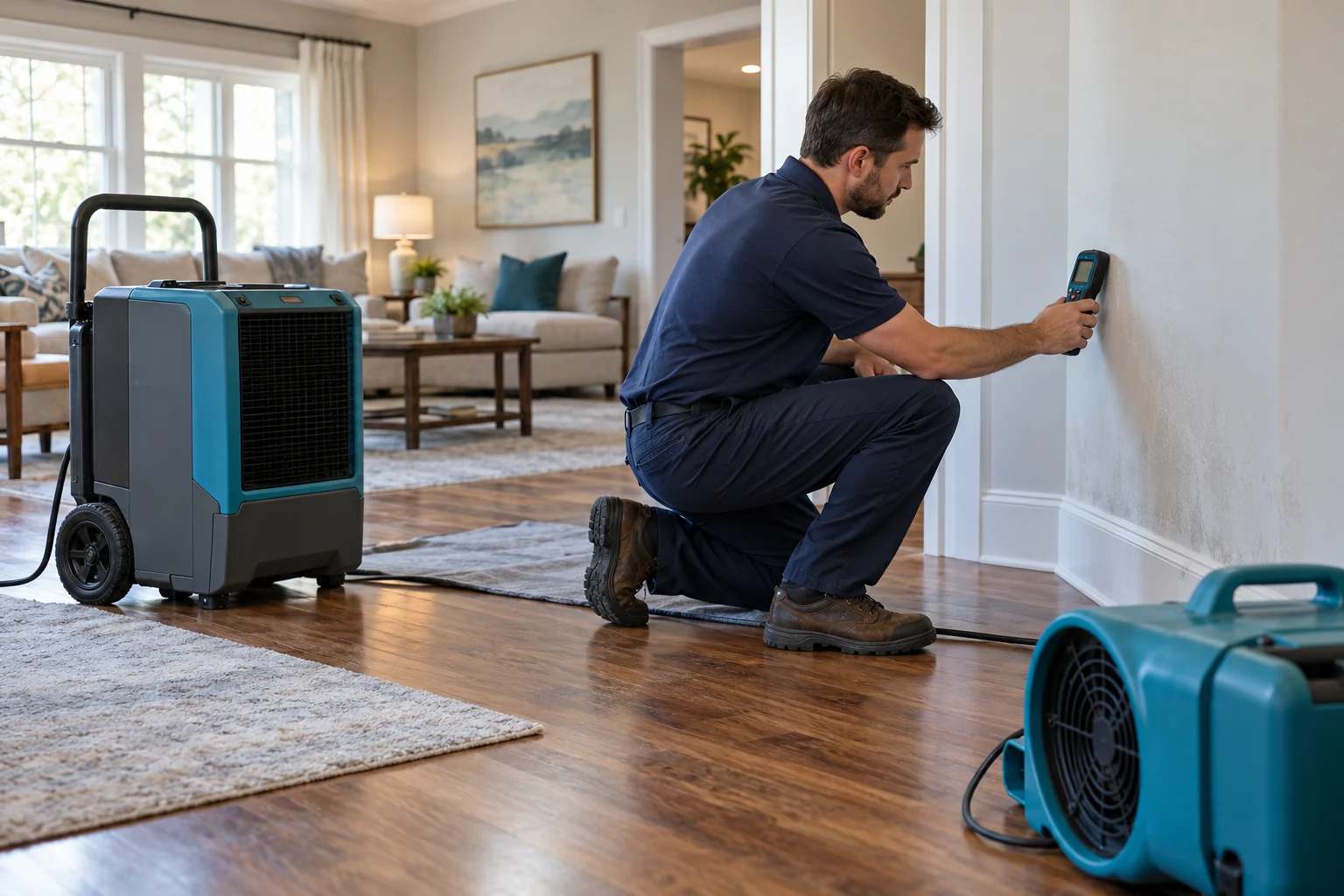
Water-damage calls can concern an active leak, standing water, a recent overflow or drying after an incident. Set the scope your restoration team accepts and distinguish mitigation work from plumbing repair, reconstruction or other separate trades. The first conversation should establish the property, the observed damage and whether your team can respond.
Water-damage campaigns should capture the reported source and affected areas without promising an outcome. Align the program with your service capabilities and intake process so your team can assess the situation and discuss an appropriate response.
Which inquiries fit your business?
Use these service interests as a starting point. Tell us which belong in your campaign, which need a separate conversation and which your team does not accept.
- Incident-focused intake
- Property and area details
- Restoration service alignment
Coverage and the first conversation
Your intake schedule needs to match real response capacity. Clarify property types, travel boundaries and the services your crews perform. Do not use marketing to promise immediate arrival, insurance approval or a complete loss assessment; those depend on the provider’s response and the circumstances of the property.
Useful details for the first conversation
- Property location and access
- Observed water and affected areas
- Source of water, if known
- When the damage was noticed
- Owner, tenant or property-manager contact
Agree the questions with your receiving team. Only collect information needed for the appropriate next step.
For a home-service campaign, practical coverage comes first: the ZIP codes you actually serve, your answering hours, the work you accept and the appointment capacity you can support. Tell us about separate residential and commercial teams, after-hours arrangements and any material or equipment limits. Your own service team confirms appointments, assesses the property and agrees the work with the customer. Campaign planning should leave those responsibilities clear from the start.
Agree the details before the first call.
Before a campaign starts, the written brief should identify the requested service, accepted locations, answering hours and any agreed screening criteria. Discuss how duplicate, wrong-service, outside-area or existing-customer inquiries are treated, and what information is needed for a review. If a duration rule is used, confirm exactly when timing begins and how it is measured. These details are campaign-specific; a service-page listing does not establish a billable event.
Pricing, payment terms, call delivery arrangements, permitted sources and any exclusivity need to be agreed for the actual campaign. A relevant call is an opportunity for your team to qualify the request and offer its service; it is not a promise of an appointment, sale or other result. Start with a scope your team can answer and review, then discuss changes using the actual campaign experience.
Share the work you take, your service area and the customer request your team wants to discuss.
Review availability, delivery, screening, schedules and commercial terms with the MaxRing team.
Choose who answers, how the next step is handled and how your team will review campaign feedback.